What makes flowers risky?
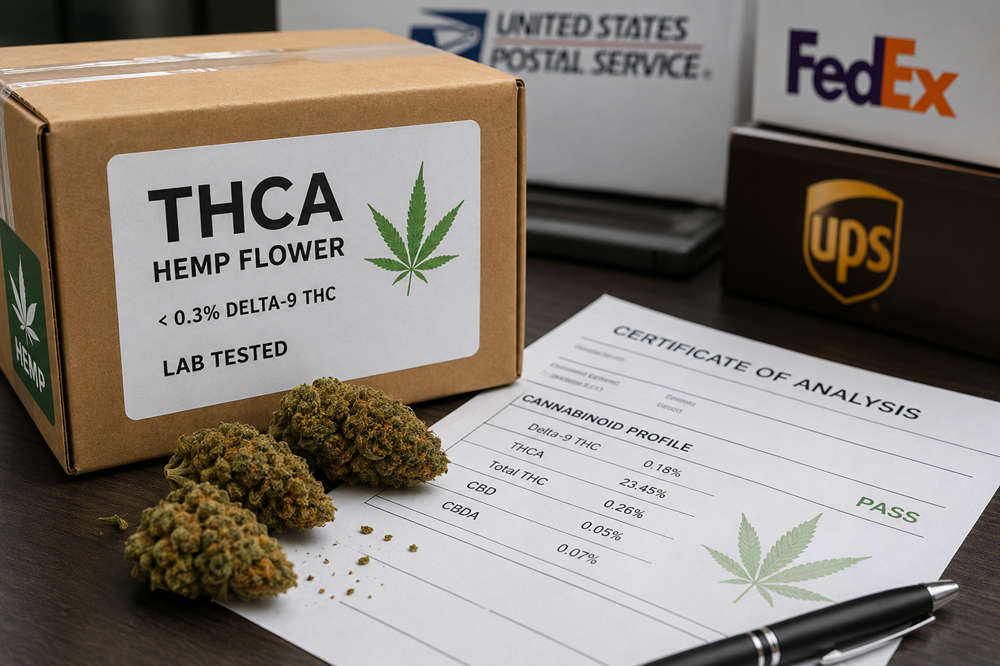
Appearance answers this before anything else, since hemp flower looks and smells identical to marijuana, and no security officer can tell them apart by eye or nose. Every other hemp format escapes this problem. Gummies resemble candy, oils sit in ordinary dropper bottles, capsules look pharmaceutical, yet raw flower carries the exact visual signature that triggers screening attention anywhere in the world. Trained dogs react to both plants equally because the aromatic compounds match.
Documentation gaps deepen the trouble. Lab reports prove compliant THC levels only after testing, which means a traveller stands in a checkpoint holding buds that cannot be verified on the spot. Sealed original packaging from established producers, including Exhale Well pouches carrying batch numbers and scannable lab certificates, gives officers something concrete to check, and that single detail separates a short conversation from a long detention. Loose flowers in unmarked bags remove even that protection completely, leaving identity purely a matter of an officer’s judgment.
Why do rules shift mid-journey?
Because compliance follows the ground beneath the traveller, not the point of purchase, a flower acquired lawfully in one place crosses into territory applying different THC thresholds, and yesterday’s permitted product becomes today’s violation without the contents changing at all.
Air travel multiplies the exposure. One journey can pass through several jurisdictions in hours, each holding its own definition of what counts as hemp, and transit stops apply their rules to whatever sits in checked luggage, regardless of destination.
Field tests read wrong
Roadside and checkpoint kits present the sharpest hazard of the whole journey. Standard field tests detect the presence of cannabinoids without measuring their ratio, so compliant flower returns the same positive result as marijuana every single time.
- Presumptive kits flag cannabinoid presence, never the percentage below thresholds.
- Confirmatory lab analysis takes days while the traveller waits inside the process.
- Officers act on the field, reading first and sorting accuracy out later.
That gap between instant suspicion and slow confirmation is where travel plans, connections, and sometimes whole trips quietly collapse.
Safer routes exist
Travellers set on carrying hemp products cut nearly all this exposure by simply choosing another format for the journey. Oils, softgels, and topicals in original sealed containers raise no visual alarm, pass scent detection untouched, and read as ordinary wellness items to every screener who handles them. Printed lab certificates matching batch numbers on the packaging close the remaining questions before anyone asks them. Where the flower itself must move, shipping it ahead through carriers operating under hemp transport frameworks beats hand carrying it through checkpoints in every respect. Researching the specific rules of departure point, destination, and each transit stop the night before travel takes minutes and removes the surprises that create checkpoint stories. Flowers left at home remain the one choice that erases the entire question.
Identical appearance to marijuana, scent detection, unverifiable contents, shifting thresholds between jurisdictions, and field tests blind to percentages combine to make hemp flower the riskiest product a traveller can pack. Alternative formats, sealed documented packaging, and advanced rule checks shrink the danger, while travelling without a flower ends it altogether.